

- English
 Español
 Português
 русский
 Français
 日本語
日本語 Deutsch
 tiếng Việt
 Italiano
 Nederlands
 ภาษาไทย
 Polski
 한국어
한국어 Svenska
 magyar
 Malay
Malay বাংলা ভাষার
 Dansk
Dansk Suomi
Suomi हिन्दी
 Pilipino
 Türkçe
 Gaeilge
 العربية
 Indonesia
 Norsk
Norsk تمل
تمل český
český ελληνικά
 український
 Javanese
 فارسی
فارسی தமிழ்
தமிழ் తెలుగు
 नेपाली
 Burmese
 български
 ລາວ
ລາວ Latine
 Қазақша
 Euskal
 Azərbaycan
 Slovenský jazyk
 Македонски
 Lietuvos
 Eesti Keel
 Română
 Slovenski
 मराठी
मराठी Srpski језик

How to Choose the Best Scooter Tyres for Safety, Performance, and Durability
Scooter tyres play a crucial role in safety, riding comfort, fuel efficiency, and overall vehicle performance. Whether you ride daily in the city, use your scooter for commuting, or enjoy weekend cruising, choosing the right scooter tyres can significantly improve your riding experience. In this comprehensive guide, we explore how scooter tyres work, the different types available, how to choose the right tyre size and tread pattern, and the maintenance practices that extend tyre lifespan. With expert insights and professional manufacturing experience from RICHTONE, this article helps riders, distributors, and buyers understand everything about high-quality scooter tyres.
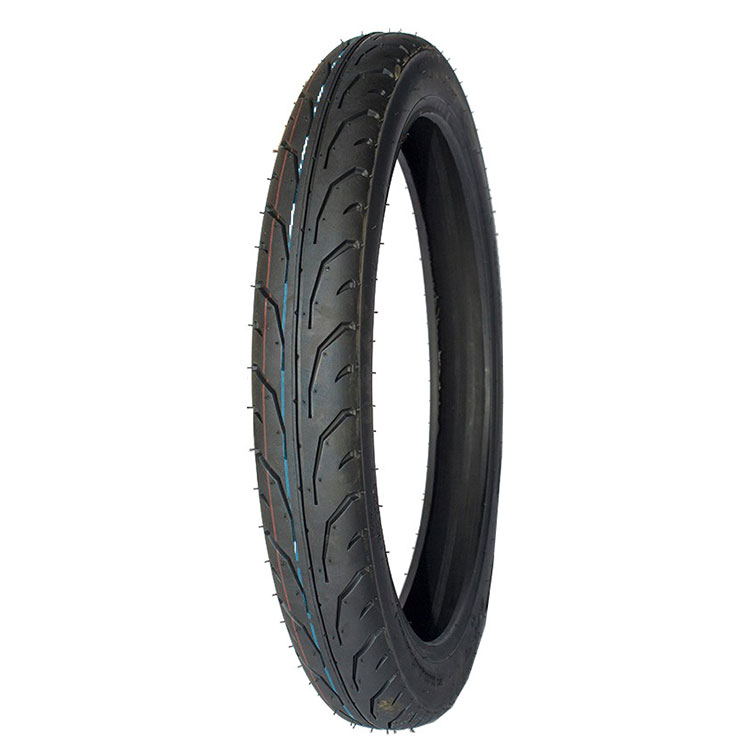
Table of Contents
- What Are Scooter Tyres and Why Are They Important?
- What Types of Scooter Tyres Are Available?
- How Do You Choose the Right Scooter Tyre Size?
- What Are the Key Features of High-Quality Scooter Tyres?
- How Does Tread Pattern Affect Scooter Performance?
- How Long Do Scooter Tyres Last?
- What Maintenance Practices Extend Tyre Life?
- Why Choose Professional Manufacturers for Scooter Tyres?
- Future Trends in Scooter Tyre Technology
- Frequently Asked Questions (FAQ)
What Are Scooter Tyres and Why Are They Important?
Scooter tyres are specialized rubber components designed to provide traction, shock absorption, and stability for scooters. Unlike car tyres, scooter tyres are smaller and engineered to perform under lightweight vehicle dynamics, frequent braking, and urban riding conditions.
The quality of scooter tyres directly influences:
- Rider safety
- Braking efficiency
- Fuel consumption
- Comfort during long rides
- Vehicle stability on different road surfaces
Modern scooters are commonly used for commuting, delivery services, and personal transportation. Because of their heavy usage, tyre reliability becomes a critical factor in daily performance.
Professional manufacturers such as RICHTONE design tyres with advanced rubber compounds and reinforced structures to ensure safety and long-term durability.
What Types of Scooter Tyres Are Available?
Scooter tyres come in several types depending on construction, terrain compatibility, and riding conditions.
1. Tube Tyres
Tube tyres contain an inner tube that holds air pressure. These tyres are widely used in traditional scooters and are often more affordable.
Advantages- Lower manufacturing cost
- Simple repair process
- Widely available
- Higher risk of sudden air loss
- More maintenance required
2. Tubeless Tyres
Tubeless tyres hold air directly between the tyre and the rim without using an inner tube.
Advantages- Better puncture resistance
- Improved heat dissipation
- Enhanced safety during punctures
3. All-Season Scooter Tyres
These tyres provide balanced performance across wet and dry conditions. They are commonly used for daily commuting.
4. Performance Scooter Tyres
Performance tyres are designed for enhanced grip, speed stability, and cornering control.
How Do You Choose the Right Scooter Tyre Size?
Selecting the correct tyre size is essential for optimal performance and safety.
Tyre sizes are usually written in a format like:
90/90-10
This represents:
- 90 – Tyre width in millimeters
- 90 – Aspect ratio
- 10 – Rim diameter in inches
Common Scooter Tyre Sizes
| Tyre Size | Typical Scooter Type | Usage |
|---|---|---|
| 90/90-10 | Small scooters | Urban commuting |
| 100/80-10 | Mid-size scooters | Daily transportation |
| 120/70-12 | Performance scooters | High stability riding |
Choosing the right size ensures proper load distribution and smooth handling.
What Are the Key Features of High-Quality Scooter Tyres?
High-quality scooter tyres include several advanced design features that improve performance and durability.
Important Characteristics
- Advanced rubber compounds for wear resistance
- Strong carcass structure for stability
- Optimized tread patterns for water drainage
- Heat-resistant materials for high-speed riding
- Reinforced sidewalls for impact protection
Manufacturers like RICHTONE apply strict quality control during production to ensure consistent tyre performance for global markets.
How Does Tread Pattern Affect Scooter Performance?
The tread pattern of scooter tyres directly affects grip, braking ability, and riding safety.
Common Tread Designs
- Directional Tread – improves water evacuation
- Symmetrical Tread – offers balanced wear
- Block Pattern – provides strong grip
- Grooved Pattern – enhances wet road traction
A well-designed tread pattern improves:
- Wet road stability
- Cornering grip
- Noise reduction
- Tyre lifespan
How Long Do Scooter Tyres Last?
The lifespan of scooter tyres depends on multiple factors such as riding style, road conditions, and maintenance practices.
| Factor | Impact on Tyre Life |
|---|---|
| Riding habits | Aggressive acceleration reduces lifespan |
| Road conditions | Rough roads cause faster wear |
| Tyre pressure | Incorrect pressure leads to uneven wear |
| Tyre quality | Premium tyres last longer |
On average, scooter tyres may last between 8,000 and 15,000 kilometers depending on usage conditions.
What Maintenance Practices Extend Tyre Life?
Proper maintenance can significantly increase the lifespan of scooter tyres.
Essential Maintenance Tips
- Check tyre pressure weekly
- Avoid overloading the scooter
- Inspect tread depth regularly
- Replace tyres when worn
- Keep wheels properly aligned
Consistent maintenance ensures safe riding and reduces long-term replacement costs.
Why Choose Professional Manufacturers for Scooter Tyres?
Working with reliable manufacturers ensures product quality, performance reliability, and supply stability.
A professional tyre manufacturer typically provides:
- Strict quality testing
- Advanced production technology
- International certifications
- Global export experience
- Comprehensive product range
RICHTONE focuses on producing high-performance scooter tyres designed for durability, safety, and efficiency. Their manufacturing processes combine modern engineering with strict quality control to meet global market requirements.
Future Trends in Scooter Tyre Technology
The scooter industry continues to evolve, and tyre technology is advancing to meet modern mobility needs.
Emerging Innovations
- Eco-friendly rubber compounds
- Low-rolling resistance tyres
- Smart tyre monitoring systems
- Improved puncture-resistant structures
- Enhanced wet-road grip technology
These innovations aim to improve safety, reduce environmental impact, and provide better riding experiences.
Frequently Asked Questions (FAQ)
1. How do I know when to replace scooter tyres?
You should replace scooter tyres when the tread depth becomes too low, when cracks appear, or when performance declines.
2. Are tubeless scooter tyres safer?
Yes. Tubeless tyres reduce the risk of sudden air loss and offer improved puncture resistance.
3. Can different tyre brands be used on the same scooter?
It is generally recommended to use the same tyre type and size to maintain balanced performance.
4. How often should scooter tyre pressure be checked?
Tyre pressure should ideally be checked once a week to ensure optimal riding safety and tyre longevity.
5. Do premium scooter tyres really last longer?
High-quality tyres typically use better materials and stronger construction, which often results in longer service life.
Conclusion
Scooter tyres are one of the most critical components influencing safety, performance, and comfort. From selecting the right tyre size and tread design to maintaining proper pressure and choosing reliable manufacturers, every factor contributes to a better riding experience.
By understanding tyre types, construction features, and maintenance practices, riders and distributors can make informed decisions that improve safety and efficiency.
If you are looking for reliable and high-quality scooter tyre solutions, RICHTONE offers professional manufacturing expertise and a wide range of products designed for global markets.
For product details, customization options, or wholesale cooperation opportunities, feel free to contact us to learn more about premium scooter tyre solutions.
Send Inquiry





X
We use cookies to offer you a better browsing experience, analyze site traffic and personalize content. By using this site, you agree to our use of cookies.
Privacy Policy